Get all the answers to common FAQs about moving to Dubai
Relocating to the UAE’s commercial hub can be a smart career move, but addressing key FAQs about moving to Dubai is essential for a smooth experience. From understanding the Golden Visa programme to adapting to digital rental payments, being well-prepared can make all the difference. This guide covers everything you need to know before moving to Dubai, from corporate compliance to personal logistics, helping you settle in with confidence.
THINGS TO KNOW BEFORE MOVING TO DUBAI
A well-planned moving to Dubai guide for expats starts with understanding visa options, job prospects and the cost of living.
What are the different types of visas and entry permits?
The UAE government issues different types of visas and entry permits:
- Employment Visa:
- This type of visa is given to those who have signed an employment contract with a company registered in Dubai.
- You can read our comprehensive guide on work visas in Dubai to learn more about the process, eligibility criteria and requirements.
- Business Visa:
- Foreign entrepreneurs who want a long-term visa for themselves and their dependents can apply for the UAE Business Golden Visa, which offers residency for up to five to ten years in the country.
- Green Visa for Investors:
- This visa is given to investors participating in or establishing commercial activities in the country.
- Student Visa:
- A student visa is granted to international students from an accredited university, college or research institute with a valid license
- The educational institution serves as the student’s host and guarantor for the duration of their stay.
- Golden Visa is issued to outstanding students.
- Dependent Visa:
- If your spouse, parents or children hold a valid residence visa in Dubai, you are eligible for a dependent visa.
- Men who want to bring their spouses to Dubai must earn a minimum monthly salary of AED 4k or AED 3k with accommodation.
- Freelance Visa:
- This type of visa is granted to independent contractors.
- You can apply for a freelance visa in Dubai to work independently in the education, media or tech sectors.
- Green Visa:
- Green visa holders are eligible to work in the UAE for five years without being sponsored by an employer.
- For the Green Visa, the required income falls between AED 15k per month and AED 360k per year for freelancers, skilled workers, and investors or partners.
- Here is everything you need to know about the UAE Green visa.
- UAE Retirement Visa:
- It is issued to elderly foreigners who want to retire in the country and have the necessary financial means to do so.
- Blue Visa
- This is a 10-year visa for scientists, researchers and activists with a self-sponsored stay for their family (including children of any age and parents), independent of an employer.
- Blue Visa is issued with official nomination or proof of high-impact work, such as international awards, patents, or senior roles in green-tech firms.
- Virtual Work Visa
- It is for remote employees working for companies or clients located outside the UAE.
What are the documents required to initiate the visa process in Dubai?
While your sponsor will take care of your visa, here is a list of documents needed as part of the application process:

- Submit a copy of your passport, photographs and educational certificates attested by the UAE Embassy in your home country and the Ministry of Foreign Affairs (MOFA) to apply for a residency visa.
- The proof of income and employment depends on the type of visa you are applying for.
- Other documents include a medical fitness test report and biometric data.
What are the most important things to know before moving to Dubai?
If you’re moving to Dubai:
- Familiarise yourself with some common Arabic phrases. While English is commonly spoken across the UAE, learning a few Arabic words and commonly used terms is a good idea. Our guide to common Arabic phrases used in Dubai might be helpful.
- Dubai’s climate is hot, so you have to prepare accordingly. All indoor entertainment venues, shopping malls and homes are centrally air-conditioned in Dubai. Furthermore, there are several ways to beat the heat in your home in Dubai.
- You must be familiar with the dress code in Dubai.
- Dubai is a diverse city with people from around the world living here.
- Understand that Dubai has a zero-tolerance policy for drug and substance abuse.
If you want to know more, here are some things to consider before moving to Dubai.
How to find a job in Dubai?
Many top job sites in the UAE, such as Dubizzle Jobs, LinkedIn, Bayt, Laimoon and NaukriGulf, can help you find a job in Dubai. You can also contact the different recruitment agencies in Dubai to help you find employment opportunities according to your interests and career goals.
THINGS TO REMEMBER WHILE MOVING TO DUBAI
During the relocation phase, a reliable moving to Dubai guide for expats focuses on practical steps. These include organising important documents and what to bring in luggage.
What are the things you can’t bring to Dubai?
Items banned by Dubai airport authorities include:
- Sharp objects like scissors, blades, hammers, nails and drills
- Lithium batteries and power banks between 100Wh and 160Wh must be carried in hand luggage and are not allowed in checked baggage
- Electrical cables, packing or measuring tapes
You can check the complete list of banned items at the Dubai Airport for further details.

What kind of documents must you bring while moving to Dubai?
Make sure to bring important documents such as:
- Attested educational certificates
- Attested marriage certificate (if applicable)
- Attested birth certificate
- A valid driving licence (you can convert it to a UAE driving licence)
Ensure you attest/certify your documents in your home country before leaving.
THINGS TO FOCUS ON AFTER MOVING TO DUBAI
Once you arrive, a complete moving to Dubai guide for expats highlights setting up essentials such as a bank account and a local SIM.
Where to find accommodation in Dubai?
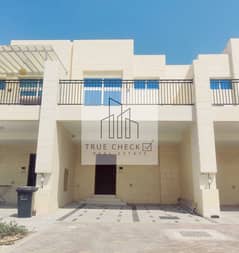
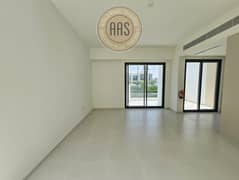
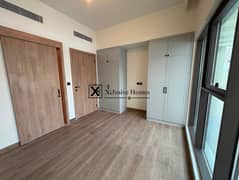
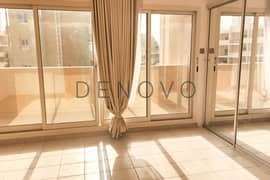
Another FAQ about moving to Dubai is usually about accommodation. Dubai has several housing facilities, ranging from high-end developments to more affordable ones. While areas like Dubai Marina and Arabian Ranches have considerably higher rents, accommodation in Mirdif, Deira, International City and Al Nahda generally costs less.




- 5 BEDS
- |
- 7 BATHS
- |
- 7905 SQFT


- 5 BEDS
- |
- 7 BATHS
- |
- 4236 SQFT
You can search for your new apartment, townhouse or villa on Bayut, one of the leading property portals in Dubai.
What types of residential properties are available for expats in Dubai?
Dubai has an extensive portfolio of residential properties to cater to various budgets and preferences. You can find apartments, villas, townhouses and even short-term rentals in Dubai at reasonable prices. Each property type has sub-categories, so check out our detailed guide about the different residential properties in Dubai to know more.

What is the cost of living in Dubai?
The cost of living in Dubai depends on multiple factors. Much of your budget will be used to pay for housing, groceries, utilities, transportation, healthcare and schooling expenses.


- 4 BEDS
- |
- 5 BATHS
- |
- 3068 SQFT
- 1 BED
- |
- 2 BATHS
- |
- 763 SQFT

- 1 BED
- |
- 2 BATHS
- |
- 860 SQFT

- 1 BED
- |
- 2 BATHS
- |
- 772 SQFT

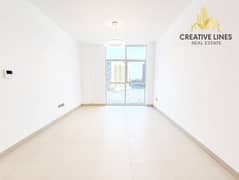
- Areas like Downtown Dubai and Arabian Ranches generally have higher rents, while accommodation in Deira, Dubai Silicon Oasis and Al Nahda costs less.
- Your utility costs (electricity/water, TV, internet and mobile phone bills) will largely depend upon your consumption.
- Transportation costs will depend upon your vehicle type and how frequently you travel.
- When it comes to schools, Indian schools are more affordable compared to IB, British or American schools.
To know a complete breakdown of charges, read our comprehensive guide on the cost of living in Dubai.
How do you get a SIM card in Dubai?
Three leading telecom providers in Dubai offer a SIM card in Dubai. These include du, Etisalat and Virgin Mobile.
They also offer prepaid and post-paid plans for texts, calls and mobile data. You can buy a new SIM from their respective kiosks at the Dubai International Airport or their dedicated branches across the UAE.
How to pay for all utilities in Dubai?
You can download the DubaiNow app to pay all your bills. Launched by Smart Dubai, DubaiNow provides access to over 120 city services from more than 30 government and private entities. Using this app, you can top up your phone credit (Du, Etisalat), Nol Card (Dubai Metro) and Salik (electronic toll system in Dubai).


Dubai Electricity and Water Authority (DEWA) has become the first government utility globally to launch services on ChatGPT. Customers can now use the AI platform to access their bills, get account support and locate EV chargers for faster utility management with convenience.
How much is the average education cost in Dubai?
The average tuition fee for most schools in Dubai starts from AED 40k annually, depending upon the curriculum, extra-curricular activities and other campus facilities. The tuition fee for universities also varies depending on the faculty chosen.
What types of restaurants are available in Dubai?
Dubai is a melting pot of cultures. Since people of over 200 nationalities live and work in the city, you will find an impressive variety of restaurants in Dubai. From American to Indian, you can find almost any cuisine in Dubai. While some eateries are expensive, there are also various mid-range and cheap options.
Is it expensive to eat out in Dubai?
Meal prices can vary in Dubai as the city has budget-friendly, mid-range and upscale restaurants. In a mid-range restaurant, the average cost of food in Dubai ranges from AED 100 to AED 150 per person. Most restaurants introduce deals and discounts from time to time. Moreover, there are food delivery apps in Dubai, such as Talabat, Careem and Eateasy, that also offer discounts, helping you save money.
What is the healthcare system in Dubai like?
There are various government/private hospitals, clinics and pharmacies across Dubai.
Dubai Hospital, Rashid Hospital and Al Maktoum Hospital are some of the options in our list of government hospitals in Dubai. At the same time, healthcare groups such as Aster, Medcare and NMC Healthcare have a vast network of clinics in Dubai.
Government hospitals offer free emergency treatment to everyone; however, other hospitals in Dubai charge a considerable amount, which is covered mainly by the medical insurance provided by the sponsor. However, you may have to pay for health insurance for your dependents.
How do you move around in Dubai?
There are several modes of public transportation in Dubai, such as the Dubai Metro, bus, Dubai Tram, taxis and marine taxis. Residents also use ride-hailing apps such as Uber and Careem. Additionally, there is an option to apply for a driving licence in Dubai or convert your licence if you already have one.
Where to shop in Dubai?
There are several malls in Dubai, ranging from high-end options such as the Mall of the Emirates and Dubai Mall to more budget-friendly choices like Al Ghazal Mall and Karama Centre.

FAQS ABOUT MOVING TO DUBAI
What do I need to know before moving to Dubai?
Before moving to Dubai, understand visa requirements, cost of living, job prospects and local laws. It’s also important to know that most services, including housing and utilities, require upfront payments. Researching neighbourhoods and having a job or financial backup is highly recommended.
What are the visa requirements for moving to Dubai?
To live in Dubai, you typically need a residency visa sponsored by an employer, family member, or through property investment or business ownership. Options like the Golden Visa are also available for investors, professionals and entrepreneurs.
Is Dubai a good place for expats?
Yes, Dubai is considered one of the best cities for expats due to its tax-free income, modern infrastructure, safety and diverse community. However, the cost of living in Dubai for expats can be high, especially for housing and schooling.
How can I find a job before moving to Dubai?
You can apply through online job portals, company websites and recruitment agencies. Networking on platforms, including LinkedIn and attending virtual interviews can also help secure a job before relocating to Dubai UAE.
What are the best areas to live in Dubai?
Popular residential areas include Dubai Marina, Downtown Dubai, Jumeirah Village Circle (JVC), Arabian Ranches and Deira. The best area depends on your budget, lifestyle and proximity to work.
How does healthcare work in Dubai for expats?
Healthcare in Dubai is high-quality but can be expensive. Health insurance is mandatory and it is usually provided by employers. Expats can access both public and private hospitals with valid insurance.
Can I open a bank account in Dubai as a newcomer?
Yes, but you typically need a residency visa, an Emirates ID and proof of address. Some banks may allow non-residents to open limited accounts, but full services are available after residency is confirmed.
How can I settle easily after moving to Dubai?
To settle in quickly, secure accommodation early, set up a bank account, get a local SIM card, arrange transportation and build a social network. Understanding local customs and planning finances will also make the transition smoother.
And there you have the list of the most common FAQs about moving to Dubai. Moving to Abu Dhabi and need help with your furniture? Let these furniture movers in Abu Dhabi handle the heavy lifting, so you can focus on settling into your new home.
On the other hand, for folks who plan to leave the city soon, we’ve prepared a leaving Dubai checklist that ensures you experience a safe and smooth transition.
Begin your Dubai journey with confidence and ease by connecting with Bayut for a smooth moving experience.
Recommended Posts