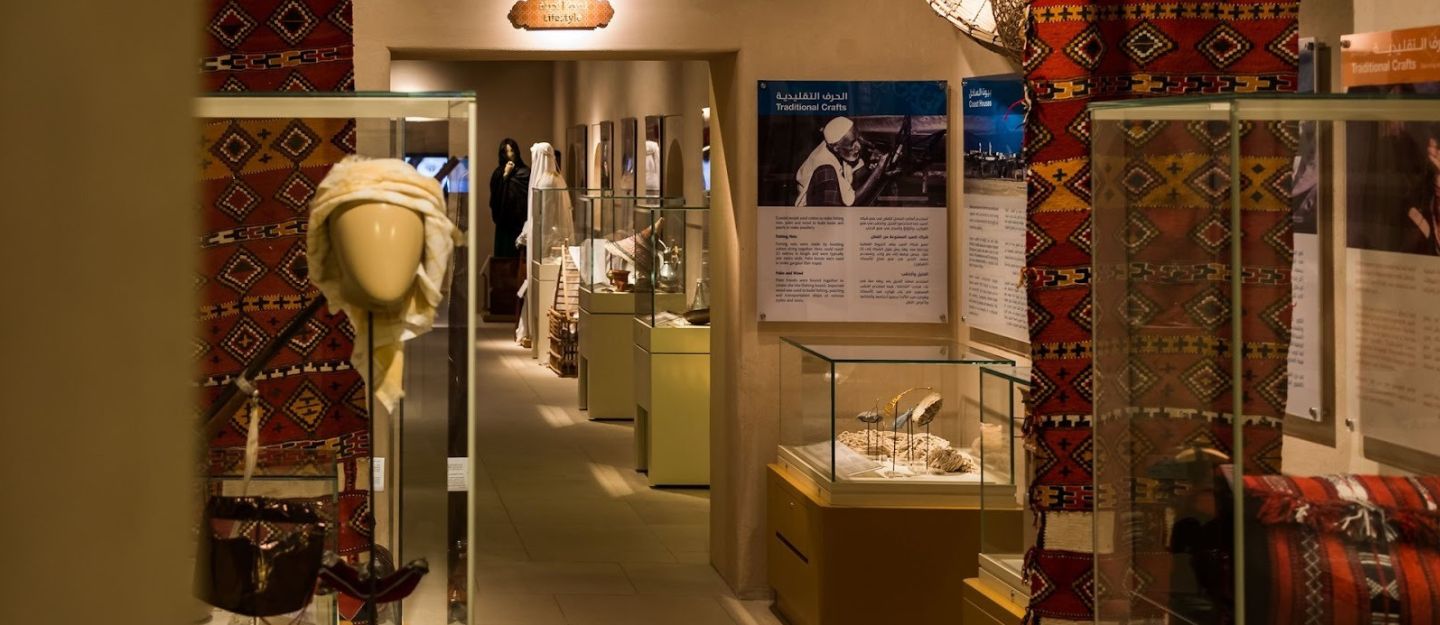
All about the Sharjah Heritage Museum
Sharjah is known as the UAE’s cultural hub and is home to numerous museums and historic landmarks. Like other heritage centres, Sharjah Heritage Museum offers an insightful look into the emirate’s history and its influence on Emirati culture. Want to know more about this Emirati culture museum in Sharjah? Read on to find all the details.
About the Sharjah Heritage Museum
The Sharjah Culture and Heritage Museum originally opened in 2005 and was later renovated and reopened in 2012 at Bait Saeed Al Taweel Al Shamsi. Set in a restored 18th-century home of a pearl merchant, the museum explores all aspects of the Emirati culture.

Why visit the museum?
The museum offers visitors the opportunity to learn about the emirate’s rich culture as it has evolved over the decades. For example, visitors can learn about how their local ancestors lived and the old Arabic customs that shaped the culture we experience today.
Apart from being educational, the museum’s exhibits and artefacts offer a unique insight into what life was like years ago in the emirate’s marine, coastal and agricultural areas.
Visitors to this Sharjah museum can also discover distinctive aspects of Arab culture, including traditions related to celebrations, scientific achievements, marriage ceremonies and more. To make the experience enjoyable for younger guests, the museum features folk tales, puzzles and proverbs, creating a more engaging and interactive learning environment.
Highlights from the Sharjah Heritage Museum

The Sharjah Heritage Museum features several main halls, each of which has exhibits that showcase different areas in the local culture. These include:
Emirati Environments Hall
The museum’s Emirati Environments Hall displays paintings exhibiting the three main environments in Sharjah —mountains, deserts, valleys and coasts. The illustrations show different sources of food and water in the area during the period when ancient mountain dwellers lived in houses made of palm trees and stone. They also show how desert tribes used goat hair to build shelters and coastal residents used mud bricks and coral to build their homes.
A tour of the Environments Hall shows the ancient Emirati’s dependence on traditional materials like animal hides for clothing and shoes after it was treated with a tanning solution.
Several glass exhibits in the hall contain pieces of flora from the time. Examples include the Al Samar tree which was a source of charcoal and the Sidr tree which is famous for its fruit. Other attractions in the hall include a depiction of Bedouin life and how Bedouins coped with harsh weather conditions and relied on camels for transport and as a source of food.
Lifestyle Hall
The Lifestyle Hall at the Heritage Museum in Sharjah shows the social, entertainment and religious lifestyles of the original settlers in Sharjah. Visitors can learn about hospitality practices that were prevalent decades ago. There are also bold depictions of falcon hunting and the use of camels for celebrations.
Livelihood Hall
This area in the Sharjah Heritage Museum shows visitors how the locals used to earn their livelihoods from natural resources. The hall also features different types of currencies that were used in external and internal trade back in the day.
Hall of Traditional Knowledge
In this hall, visitors learn about how Emiratis used available knowledge to go about their lives. Examples include marine navigation methods, skills in observing the stars and methods for calculating the days of the year. Apart from this, the hall also records the presence of traditional healers who tended to the sick.


Oral Literature Hall
The last stop at the heritage museum ends with the Oral Literature Hall. Here, you can listen to audio files of traditional fairy tales, legends, poetry and folk tales that have been passed down through generations.
Workshops
The Sharjah Heritage Museum offers workshops and educational programmes for schools and universities. The programmes are offered in both Arabic and English to accommodate all students. Students with special needs enter free of charge.
FAQs
Where is the Sharjah Heritage Museum location and entry?
The museum is located opposite the Al-Asrah souq, next to Bait Al Naboodah and the Theatrical Association in the Heart of Sharjah.
What is the entrance fee?
Ticket prices vary for adults and children at the museum:
- Free for children under two years of age
- AED 5 for children above two and below 12 years of age
- AED 10 for adults and visitors above 13 years old
- Free entry for private and government school excursions
The Sharjah Heritage Museum offers free entry for all visitors during these days:
- Sharjah Heritage Days
- International Museum Day on the 18th of May
- UAE National Day on the 2nd and 3rd of December
However, the museum is closed on the following days:
- 29th and 30th of Ramadan (Islamic calendar)
- First day of Eid Al-Fitr (Islamic calendar)
- 9th of Dhul Hijjah (Islamic calendar)
- First day of Eid Al Adha (Islamic calendar)
What are the Sharjah Heritage Museum opening hours?
Those who want to go to the museum can plan their trip according to these timings:
- Opening hours: Saturday to Thursday, 08:00 am to 08:00 pm | Friday, 04:00 pm to 08:00 pm
- Contact: +971-6-568-0006
What facilities does the museum offer?
The museum has several facilities in place to ensure that visits are convenient for everyone. These include:
- Prayer room
- Gift shop
- Restrooms
- Wheelchair access
- Baby changing table
This concludes our review of the Sharjah Heritage Museum. Have you ever visited the museum? Let us know about your experience in the comments below.
To know more about the emirate’s historic past, check out heritage sites and attractions in Sharjah. Want to know more about the works of Islamic scholars? Take a trip to the Sharjah Museum of Islamic Civilisation.
Is this your first trip to the emirate? To really experience the charms of this emirate, check out our list of things to do in Sharjah.
Featured Image Credit: Sharjah Heritage Museum Official Website.