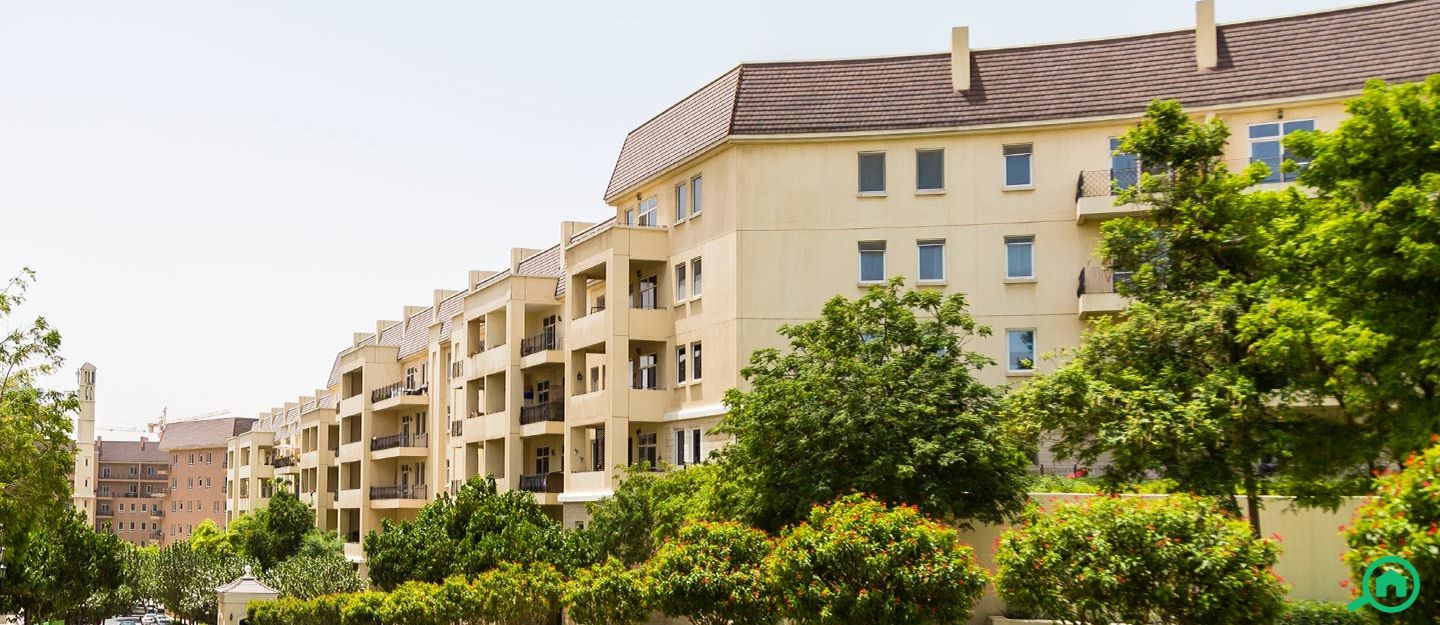
Recognised by the roaring engines of Dubai Autodrome, Motor City has evolved into an established residential area. The motorsport-themed master development by Union Properties is known for suburban calm, greenery and spacious homes. This guide examines the Dubai Motor City lifestyle, covering property features, local infrastructure, future expansions and a practical list of pros and cons of living in Dubai Motor City.
What’s Life Like in Motor City?
Life in Dubai Motor City is often described as relaxed, with a modern suburban vibe. The master plan prioritises low-density development and ample open space, with tree-lined, cobblestone streets, improving its walkability score. Compared to the fast-paced Dubai Marina and Downtown communities, Motor City has a laid-back environment. Activities are mainly concentrated in the motorsport venue, with some buzz reaching the surrounding residential communities.
Situated at the junction of Sheikh Mohammed Bin Zayed Road (E311) and Hessa Street (D61), it offers internal connectivity to inland areas and to the neighbouring emirates of Ajman and Sharjah.

Those interested in renting or buying a home here can expect a comparatively slow-paced but self-sustaining residential environment with easy access to everyday amenities.
As the area is a hub for high-octane energy, home to the Dubai Autodrome and Kartdrome, it can be an ideal spot for motorsport fans and those who prefer an active lifestyle.
Let’s weigh the advantages and disadvantages of Dubai Motor City as a residential community.
Pros of Living in Dubai Motor City
Living in Motor City offers several advantages, primarily driven by a wide range of properties, established community infrastructure and a family-oriented suburban environment.
Expansive Property Footprints
Spacious layouts remain a primary draw for residents. Dubai Motor City offers some of the biggest square-footage footprints in the city within its price bracket. Built-in storage rooms, balconies and semi-closed kitchens come standard across older, low-density buildings, providing significantly more space than contemporary high-rise towers in central districts.
The average rental prices across the community reflect this space value.
- Apartment rentals in Dubai Motor City average AED 100k, varying by bed type approximately as follows:
Apartment Type | Average Rent in AED |
|---|---|
Apartment Type Studio | Average Rent in AED 57,000 |
Apartment Type 1-Bed | Average Rent in AED 79,000 |
Apartment Type 2-Bed | Average Rent in AED 118,000 |
Apartment Type 3-Bed | Average Rent in AED 180,000 |
- The average rent for villas in Motor City is AED 364k per annum.
Villa Type | Average Rental Price in AED |
|---|---|
Villa Type 3-Bed | Average Rental Price in AED 223,000 |
Villa Type 4-Bed | Average Rental Price in AED 354,000 |
Villa Type 5-Bed | Average Rental Price in AED 601,000 |
Pedestrian, Family and Pet-Friendly Infrastructure
Unlike highway-centric zones across Dubai, Motor City features wide, tree-lined footpaths, expansive parks and dedicated cycling tracks. The neighbourhood is designed for outdoor activity with internal plazas like First Avenue Mall and The Ribbon Motor City, allowing residents to complete daily errands on foot.
The area offers a family-centric environment with pocket parks, playgrounds and serene central lakes in sub-communities like the Green Community Motor City. It is also recognised as one of the pet-friendly communities in Dubai with dedicated dog-walking zones and welcoming outdoor dining venues.
Strategic Road Access
Positioned directly along Sheikh Mohammed Bin Zayed Road (E311) and Hessa Street (D61), the community features multiple exit points. This layout allows drivers to access major transport corridors without encountering the localised bottlenecks common in newer, developing surroundings.
Self-Contained Essential Services
One of the benefits of living in Motor City is that the core necessities remain fully accessible within the community boundaries. Healthcare facilities like Prime Medical Centre and Medcare Medical Centre operate within the district. Moreover, residents have direct access to established educational institutions like GEMS Metropole School, Jebel Ali Village Early Childhood Centre and Emirates British Nursery. Many popular supermarket chains such as Geant Express, Spinneys, VIVA Supermarket, Carrefour and LuLu Hypermarket are scattered across the area. So, day-to-day routines rarely require leaving the suburb.
The Modern Expansion
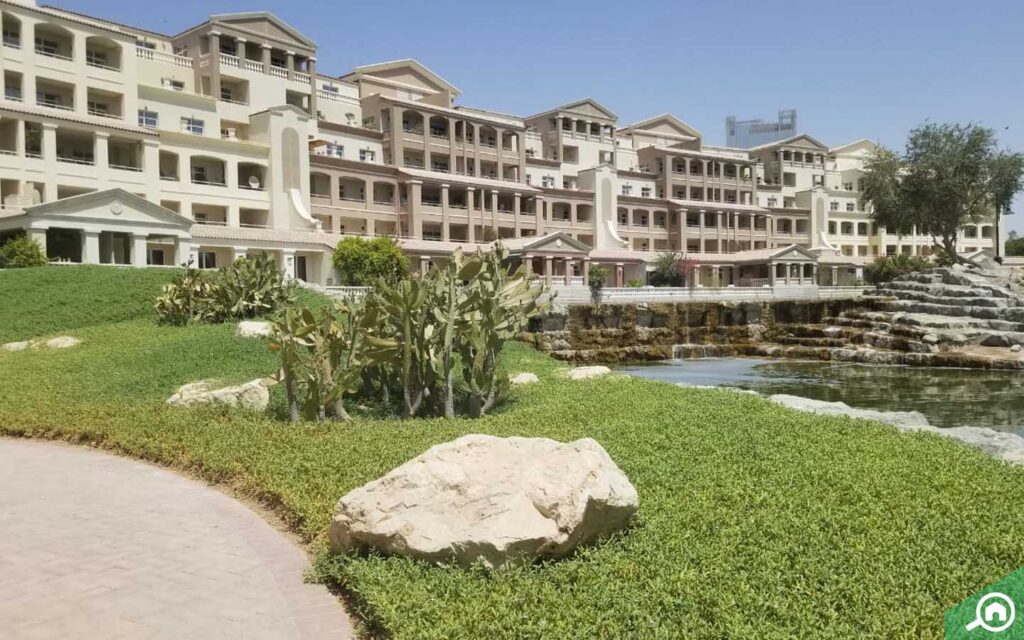
Many new projects in Dubai Motor City are reshaping the area’s residential and commercial real estate landscape. While original developments feature late 2000s Mediterranean-style stucco architecture, new additions introduce contemporary glass and steel designs, smart home automation, energy-efficient insulation and EV charging infrastructure.
These developments will expand market choices for those looking to buy a home, across multiple property types including apartments, villas and townhouses.
- The current average sales price of apartments in Dubai Motor City is AED 1.57M
Apartment Type | Average Sales Price (AED) |
|---|---|
Apartment Type Studio | Average Sales Price (AED) 724,000 |
Apartment Type 1-Bed | Average Sales Price (AED) 1,124,000 |
Apartment Type 2-Bed | Average Sales Price (AED) 1,815,000 |
Apartment Type 3-Bed | Average Sales Price (AED) 2,967,000 |
- Those looking for a more private and bigger space can buy villas in Dubai Motor City:
Villa Type | Average Sales Price (AED) |
|---|---|
Villa Type 3-Bed | Average Sales Price (AED) 4,694,000 |
Villa Type 4-Bed | Average Sales Price (AED) 7,892,000 |
Villa Type 5-Bed | Average Sales Price (AED) 11,580,000 |
- Townhouses for sale in Motor City offer similarly spacious units in a more affordable range:
Townhouse Type | Average Sales Price in AED |
|---|---|
Townhouse Type 3-Bed | Average Sales Price in AED 4,579,000 |
Townhouse Type 4-Bed | Average Sales Price in AED 6,561,000 |
Townhouse Type 5-Bed | Average Sales Price in AED 8,200,000 |
Cons of Living in Motor City
While the district offers substantial space and amenities, prospective residents should consider practical drawbacks before moving to the area.
Absence of Direct Metro Connectivity
Lack of a direct Dubai Metro station is a consideration for frequent metro users. Commuters who rely on public transportation can use feeder buses to reach the Mall of the Emirates station on the Red Line. However, with the planned expansion in line with Dubai 2040 Urban Masterplan, Motor City’s transit gap will be resolved with two metro stations along the upcoming Blue/Pink Lines.
Track Noise
Residential communities closest to the tracks of Dubai Autodrome may experience clear engine noise during weekend races, track days and karting events. However, high-performance double-glazing is installed across residential units to filter out routine ambient sound.
Hessa Street Rush-Hour Traffic
Internal traffic moves smoothly out of the neighbourhood, but joining Hessa Street (D61) during peak morning and evening hours often results in heavy congestion. Drivers commuting towards coastal commercial districts such as Dubai Media City, Internet City or Al Barsha face travel delays during peak windows.
FAQs About Dubai Motor City’s Lifestyle
What parking arrangements in Motor City should I check before signing a tenancy contract?
Before signing a tenancy contract and moving to Motor City, prospective tenants should check that the allocated parking space number is mentioned in the contract and Ejari profile. Request a copy of the Title Deed to confirm whether one or more parking bays are allocated with the specific property.
Which Motor City buildings have studios and 1-bedroom apartments?
Apartments are mainly concentrated in Uptown Motor City. For studios and 1-bedroom apartments, you can browse the available listings for Rabdan Building, Binghatti Skyterraces and Weston Court.
Are pets allowed in Motor City apartments?
Most parts of the community are considered pet-friendly, with dedicated walkways and outdoor spaces for families with pets. It is recommended to check the building policies and tenancy contract if you are renting an apartment.
Evaluating the pros of living in Motor City against its downsides shows a mature suburban district offering spacious homes, pedestrian conveniences and comprehensive local amenities. While peak-hour Hessa Street traffic and track noise affect specific locations, ongoing infrastructure updates and new developments continue to support long-term residential appeal.
Disclaimer: This article uses property listing prices advertised on Bayut.com by real estate agencies on behalf of their clients. Figures represent advertised prices only and do not reflect actual transaction prices unless stated. Reported metrics use a trimmed mean to provide a more robust market.
Recommended Posts