A History of Dubai’s Architecture
- Evolution of Dubai Architecture
- Traditional Architecture in Dubai
- Modern Architecture in Dubai
- Future Concepts
- FAQs
The history of Dubai’s architecture tells a story of steady change driven by climate, commerce and vision. What started as simple, purpose-built structures gradually evolved into some of the world’s most recognisable landmarks. Along the way, shifting cultural influences and economic growth reshaped how the city was built. Today, this architectural journey reflects Dubai’s rise from a coastal settlement to a global icon.
The Evolution of Dubai’s Architecture
Let’s take a look at Dubai’s architectural evolution timeline.
Early Foundations Before the 20th Century
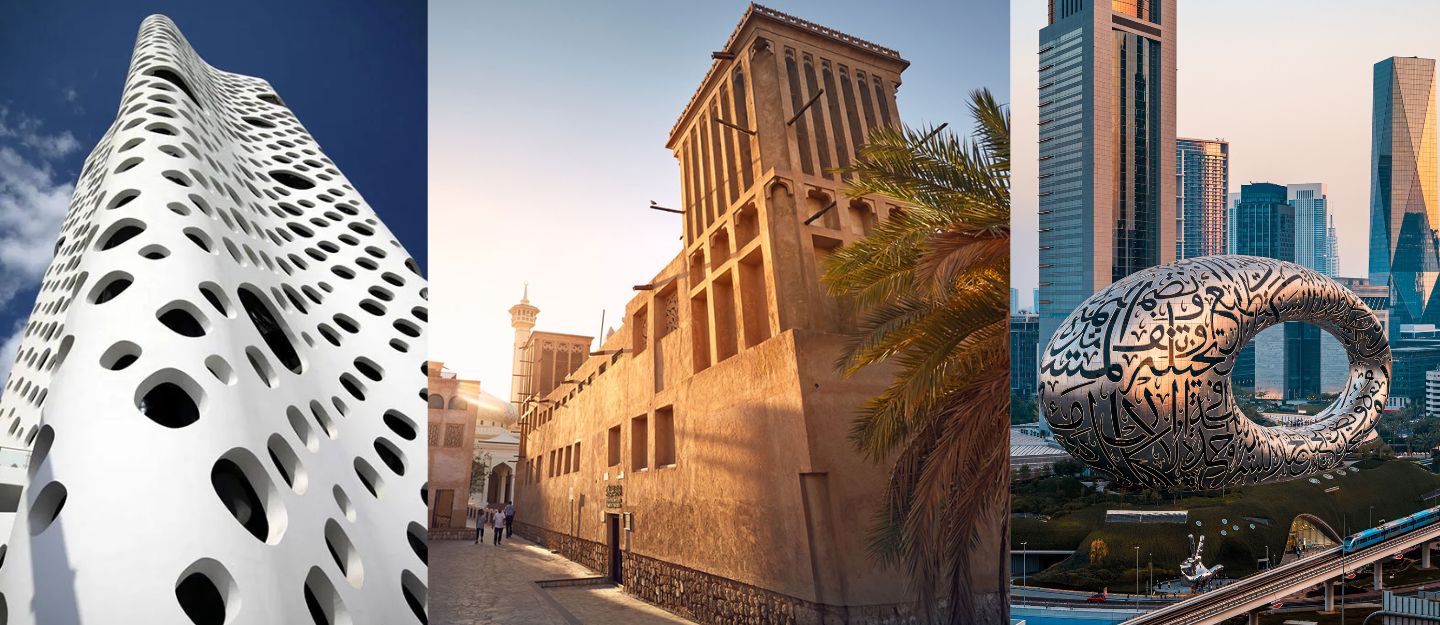
In its earliest phase, architecture in Dubai emerged from necessity and climate awareness. Structures relied on palm fronds, mud and coral stone to withstand heat and limited resources. To improve comfort, courtyards and barajeel wind towers were carefully integrated into homes. At the same time, mosques and souks reinforced Islamic values and community cohesion.
The Pearl Trade and Architectural Refinement
As the pearl trade flourished, architectural forms became more refined and expressive. Increased prosperity enabled sturdier coral stone buildings to be constructed, supported by timber beams. Decorative gypsum details began to appear, signalling growing confidence in craftsmanship. Exposure to overseas traders gradually introduced new stylistic influences into local design.

Oil Discovery and Rapid Urban Change
The discovery of oil in 1966 marked a decisive shift in Dubai’s architectural direction. With new wealth came modern construction techniques and international design principles. Concrete, glass and steel enabled taller buildings and denser urban development. Alongside this, major infrastructure projects accelerated the city’s modern identity.
Late 20th Century Architectural Ambition
Towards the end of the twentieth century, Dubai positioned architecture as a symbol of global prominence. International architects were commissioned to create distinctive and ambitious landmarks. Projects like the Burj Al Arab reflected luxury, innovation and visual drama. During this period, the skyline itself became part of Dubai’s brand.
The 21st Century and Evolving Priorities
The opening of the Burj Khalifa in 2010 marked the culmination of decades of architectural aspiration. Since then, attention has shifted towards sustainability, smart design and quality of life. New developments increasingly incorporate green spaces and environmentally conscious materials. At the same time, traditional Arabian elements have re-emerged in contemporary interpretations, creating continuity between past and future.
Structures Representing Dubai’s Historical Architecture
Hatta Heritage Village
Hatta Heritage Village offers a living example of heritage architecture in Dubai, preserved in the form of a traditional settlement. The site includes seventeen mud and stone houses, alongside two forts and a central watchtower.
Together, they reflect the rural mountain lifestyle once common in the region. Every detail, from building materials to narrow pathways, reveals how culture and climate shaped architectural design, allowing cooler air to flow through the alleys despite the intense heat.
Al Fahidi Historical District
The Al Fahidi Historical District plays a key role in Dubai’s architectural history, offering a glimpse into the city’s early urban life. Its narrow lanes, wind towers and coral stone buildings reflect practical design shaped by climate and tradition. Once home to merchants and craftsmen, this top historical place in Dubai highlights how function and community guided architectural choices. Today, it stands as a reminder of Dubai’s architectural roots amid modern growth.
Jumeirah Mosque
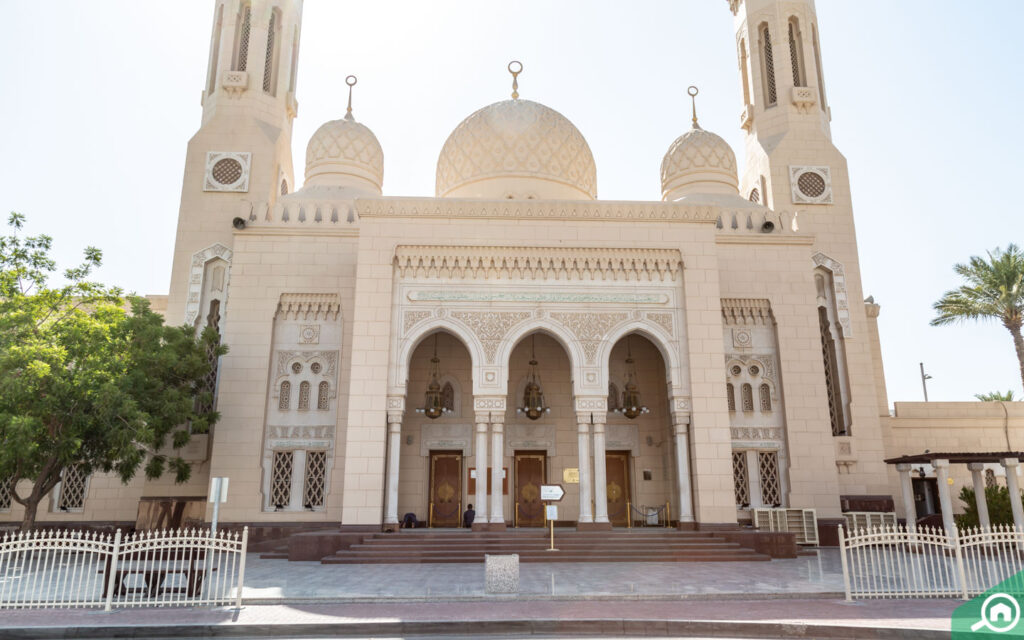
Situated within Dubai, Jumeirah Mosque is one of the top Dubai’s historical places to visit. Built in the mid nineteenth century, the mosque reflects strong Arab Islamic cultural influences. Its design follows the Fatimid architectural style, clearly expressed through its twin minarets and white marble structure. The finely detailed central dome and balanced façade create a striking visual presence, making it one of the city’s most photographed religious landmarks.
Iconic Modern Architecture in Dubai
Museum of the Future
The Museum of the Future is a striking new landmark with a distinctive ring-shaped form. Wrapped in stainless steel, it contains over 30,000 square metres of exhibition space. The building highlights technological progress across multiple industries. It serves as both a symbol of innovation and a platform for future ideas in the UAE.
Cayan Tower
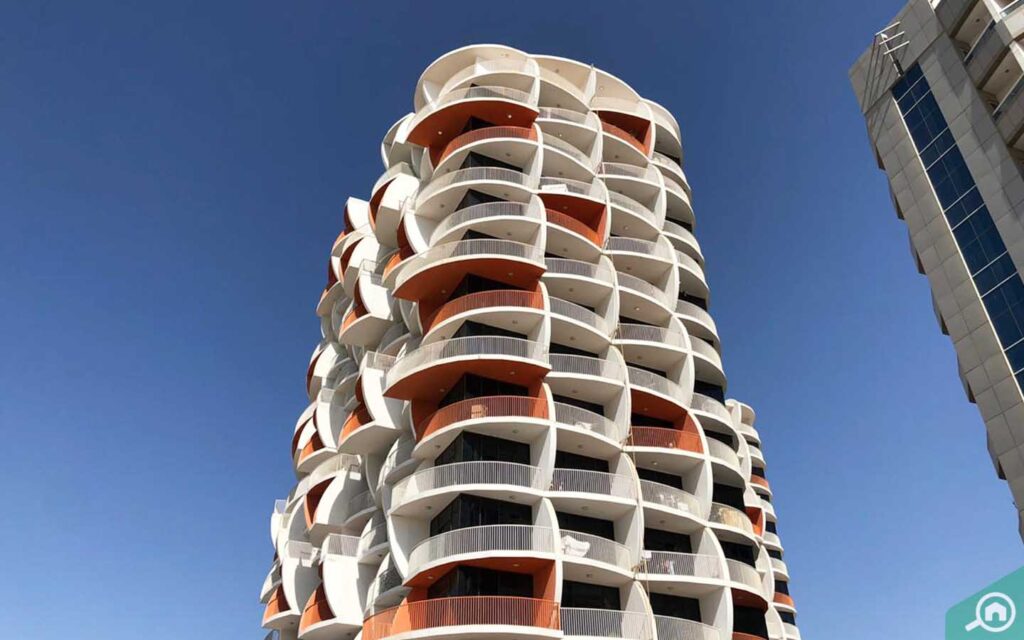
Cayan Tower was designed to ensure every apartment enjoys a view of the sea or marina. Each floor slowly rotates around a central core, creating a full ninety-degree twist from base to top. This gradual rotation gives the tower its unique shape. The design blends visual impact with practical living.
Binghatti Pearls
Located in Dubai Silicon Oasis, Binghatti Pearls draws inspiration from the city’s pearl diving past. Its façade reflects the form of pearl shells through layered geometry. A two-tone colour scheme adds depth and movement to the exterior. From every angle, the building appears visually different.


Burj Al Arab
Built in the late 1990s, Burj Al Arab is one of the earliest modern icons in the history of Dubai’s architecture. Set on its own man-made island, the hotel is instantly recognised by its sail-shaped design. The project took five years to complete from the island to the structure. Its elevated helipad rises 210 metres above ground level, reinforcing its bold architectural presence.
Burj Khalifa
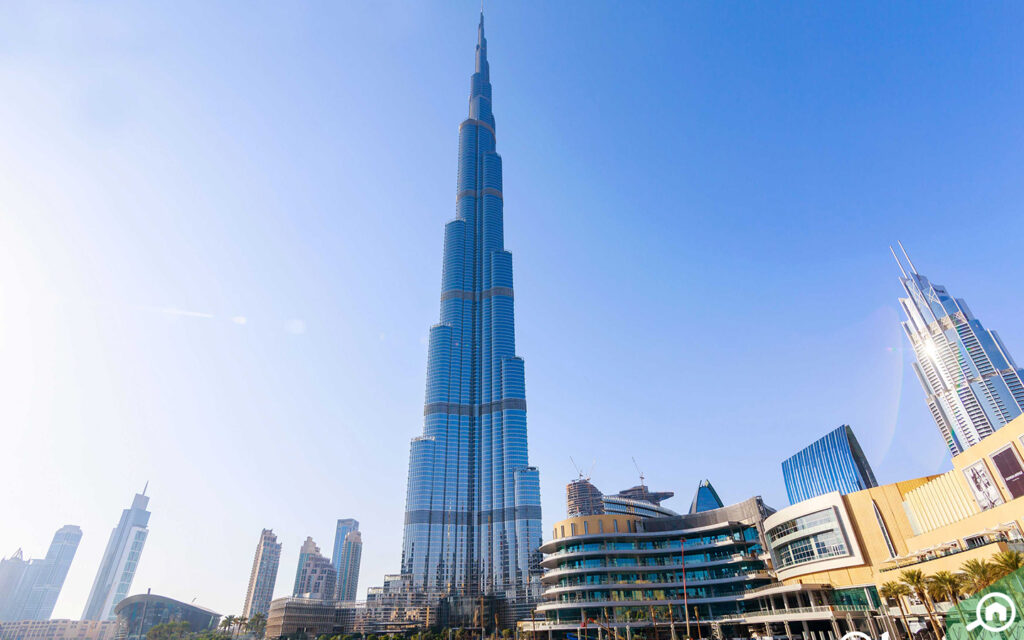
Burj Khalifa stands as the tallest structure in the world, reaching 2,716 feet into the sky. Its scale is so vast that its parts would stretch a quarter around the globe if placed end to end. The tower can be seen from ninety five kilometres away. Visitors can access its observation deck on the 124th floor.
The Opus by Zaha Hadid
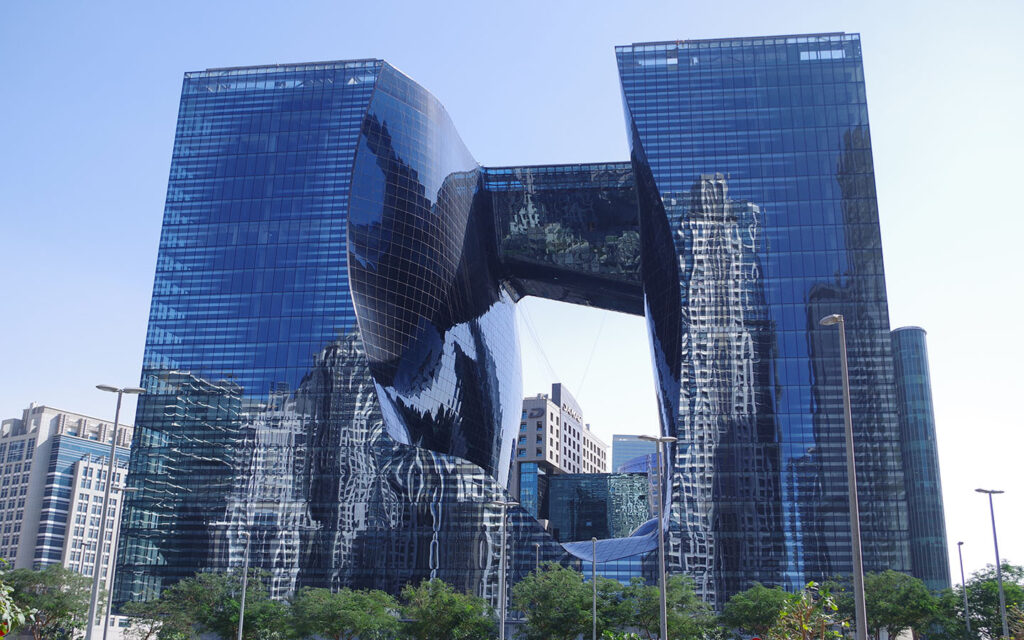
The Opus is the only hotel fully designed inside and out by the late Zaha Hadid. At first glance, it appears as a solid cube carved through its centre. In reality, it consists of two connected towers. Its fluid form gives the building a futuristic presence.
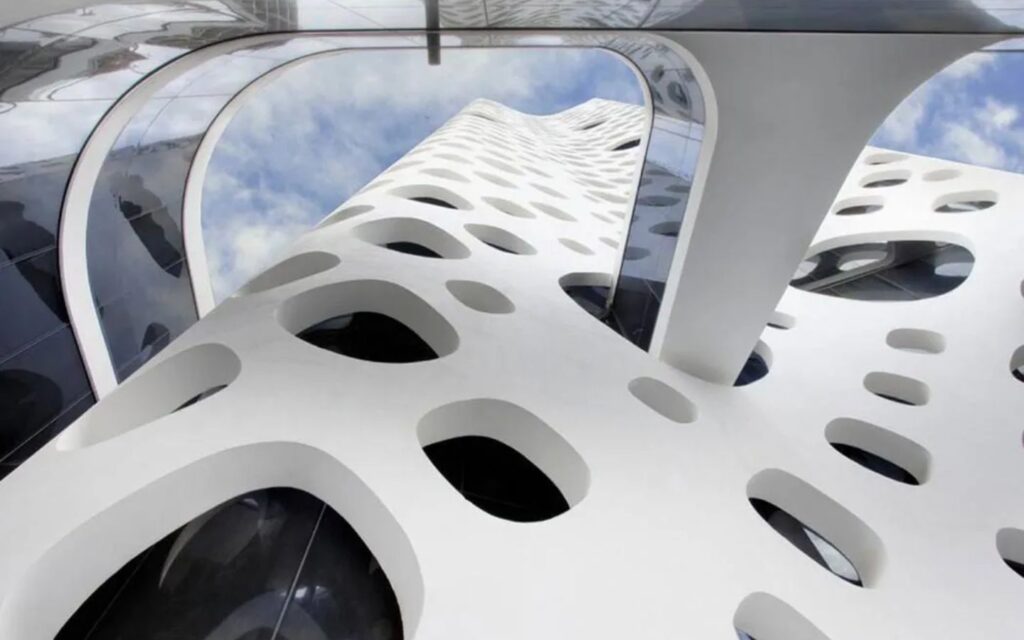
O-14 Tower
O-14 Tower is often called the Swiss cheese building due to its perforated outer shell. This thick exoskeleton shields the structure from direct sunlight and heat. The design allows natural airflow to cool the building. It reflects modern engineering inspired by traditional Emirati design principles.
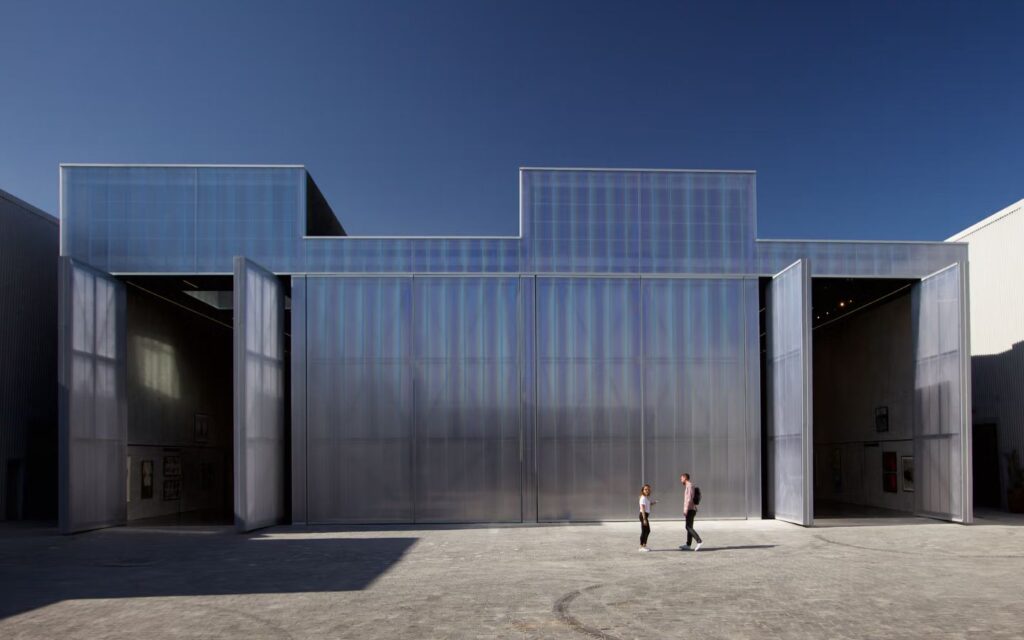
Concrete at Alserkal Avenue
OMA’s debut project in the city introduces a bold example of Dubai’s architectural style within Alserkal Avenue. Established in 2007, the district was created to support cultural and creative initiatives. The exhibition and event space features large polycarbonate doors on one side, allowing it to fully open onto the main public square. In contrast, the rear service areas are finished in dark sprayed concrete, creating a clear visual and functional distinction.
The Future of Architecture in Dubai
Dubai’s future skyline reflects a bold shift in Dubai’s architectural style. Upcoming projects focus on new ways to design, move and interact within the city. These concepts aim to improve sustainability, connectivity and quality of life.
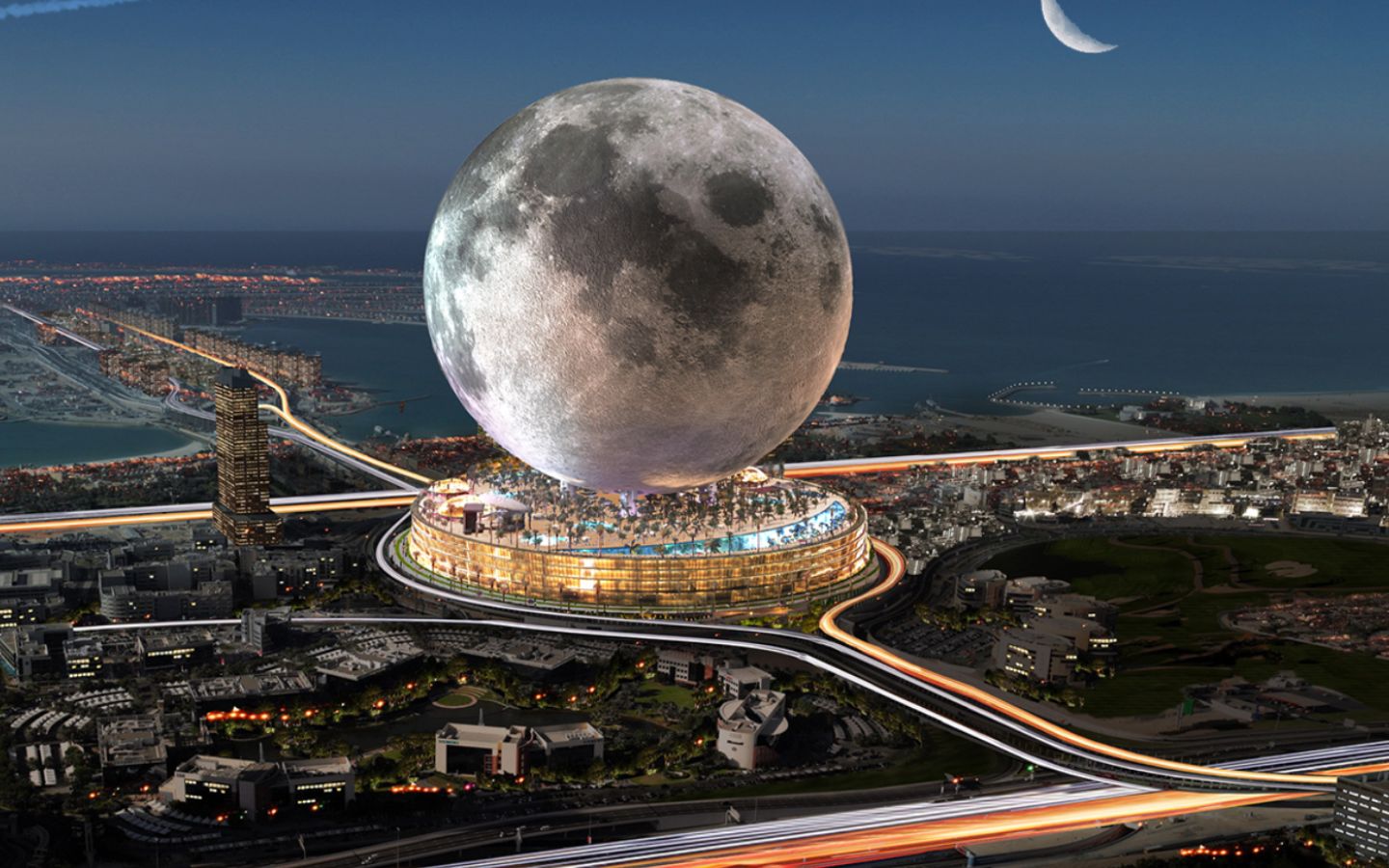
Moon Resort
Moon Resort is a proposed landmark designed to recreate the experience of the moon on Earth. The structure features a giant spherical form rising over 200 metres high. Inside, it will include luxury suites, private residences and immersive lunar experiences. The building is also planned to use solar energy and sustainable materials.
The Loop
The Loop is a planned covered route designed for walking and cycling across the city. Stretching over 90 kilometres, it aims to make daily travel healthier and more accessible. The structure will be climate-controlled and generate energy through movement. It also supports Dubai’s goal of becoming a 20-minute city.
The route will cover major areas, including:
- Sheikh Zayed Road corridor (similar to the Metro’s Red Line)
- Jebel Ali, Dubai Marina, JLT, Barsha, Al Quoz, Business Bay, Downtown, and DIFC
- Meydan and Nad Al Sheba
- Academic City, Dubailand, Sustainable City, DIP and Expo City
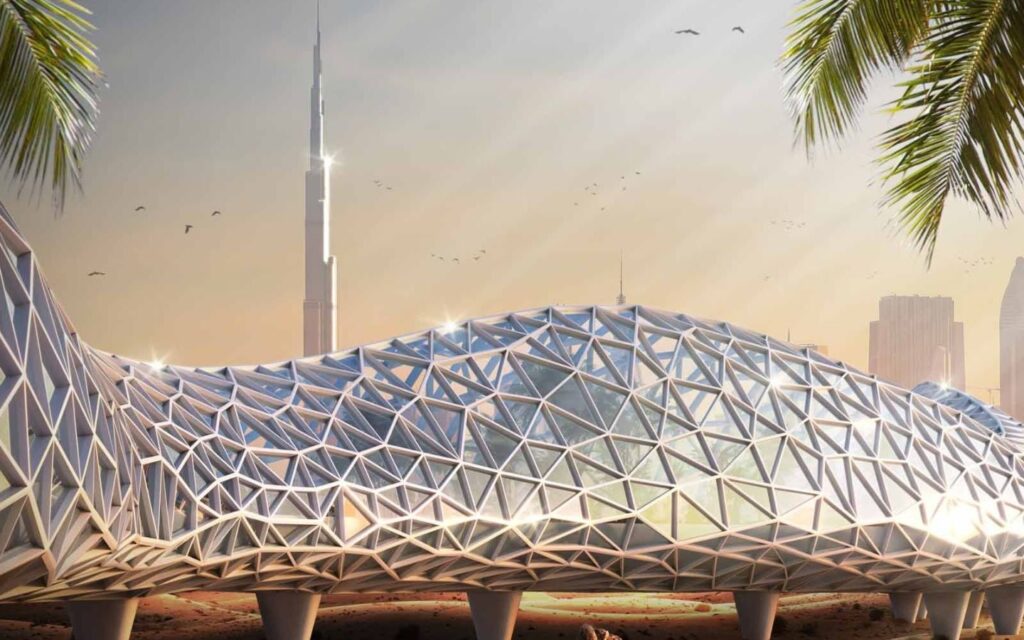
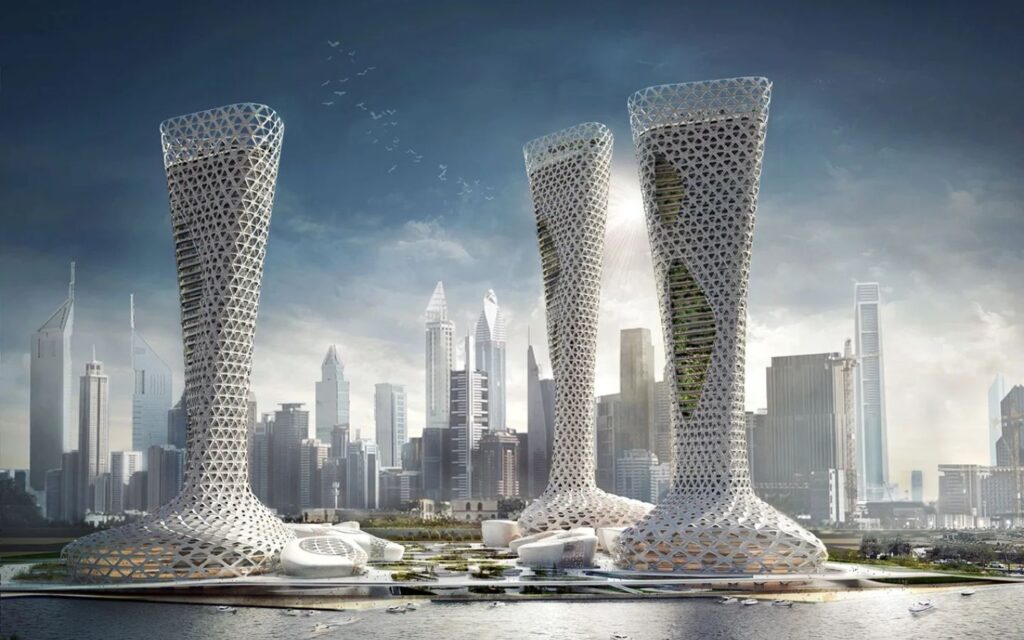
Symbiotic Towers
The Symbiotic Towers project reflects an evolving chapter in the history of Dubai’s architecture, where mixed-use design meets environmental awareness. Residential, hotel and office spaces are brought together through a unified layout. Landscaped areas and shaded pathways encourage social interaction in a comfortable setting. The tower forms are carefully designed to limit heat gain while supporting efficient energy use, merging nature with city life.
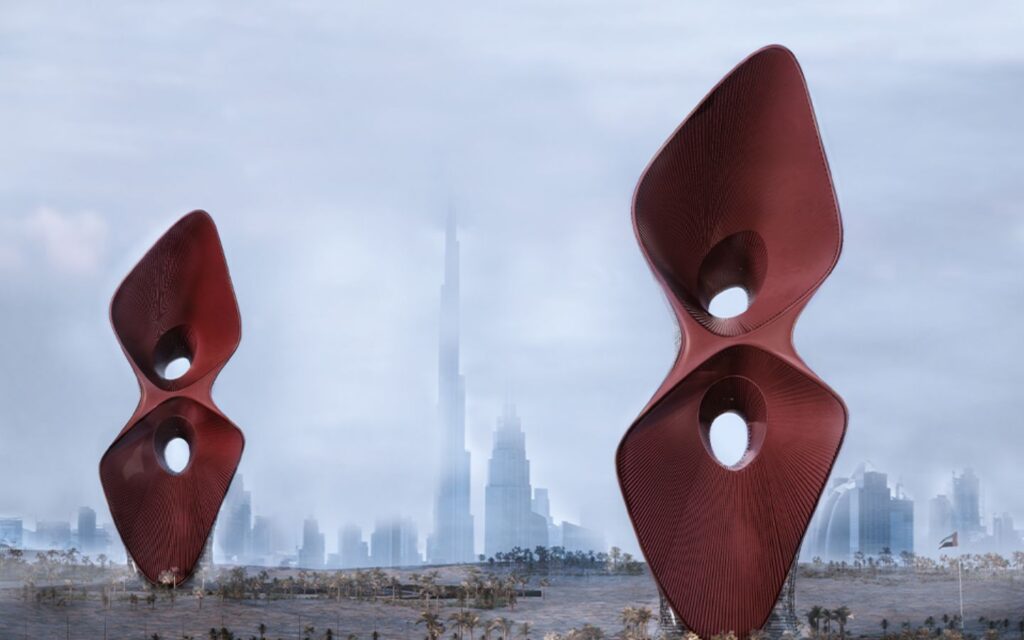
Sandstorm Absorbent Skyscraper
This concept focuses on reducing the impact of sandstorms along major city routes. The towers are designed to capture sand particles using deep cavities within their structure. Stored energy from sand batteries will help power nearby buildings. The project also includes research centres and residential zones.
FAQs About the history of Dubai’s architecture and More
Are there UNESCO Sites in the UAE?
There are several confirmed and tentative UNESCO Sites in the UAE. Some notable mentions include Al Ain Oasis, Bida Bint Saud and Jebel Hafeet Tombs.
What are the most famous buildings in Dubai?
Cayan Tower, Burj Khalifa, Burj Al Arab, Jumeirah Beach Hotel, Princess Tower and The Atlantis are some of the most famous buildings in Dubai.
Interested in learning facts about the history of Dubai? Subscribe to MyBayut and find out more about it!
Recommended Posts