Pros and Cons of Living in Dubailand
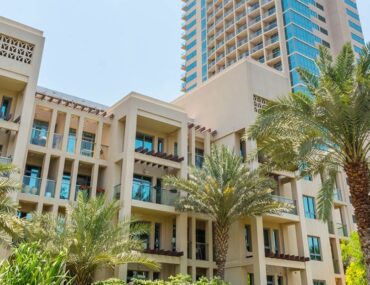
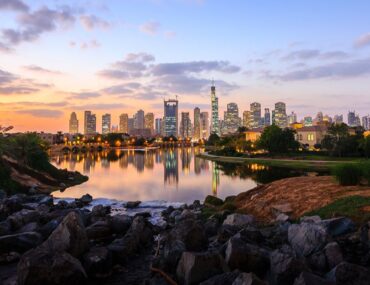
Located along Emirates Road (E611), Dubailand is home to several residential and mixed-use communities. The area offers a range of apartments, villas and townhouses, with amenities and facilities varying by location. If you are planning a move to the area, explore the pros and cons of living in Dubailand.
Pros of Living in Dubailand
Exploring the benefits of living in Dubailand can help those interested in the area better understand what it offers.
Connectivity
Dubailand is connected to major areas of Dubai through key highways, including Sheikh Mohammed bin Zayed Road (E311), Emirates Road (E611) and Al Qudra Road (D63).
Dubai-Al Ain Road (E66) is another important route serving several communities in Dubailand. It provides access towards areas including Dubai Silicon Oasis and Dubai International Academic City, while also providing access towards Meydan and Nad Al Sheba.
Dubai Land Residence Complex (DLRC) is located along both E66 and Emirates Road (E611), giving residents direct access to these major routes.
Road access varies by sub-community. The most convenient route and travel times will depend on where residents live within Dubailand.
Shopping and Community Facilities
For everyday needs, residents can visit supermarkets including West Zone Fresh Supermarket, Shua Al Madina Supermarket and Thomsun Supermarket. Community retail centres such as Mudon Centre, Remraam Centre, Serena Centre and Villanova Centre also provide supermarkets, pharmacies and other local services.
Mosques can be found across the area. Some of them include Masjid A’aishah Umm Al Mumineen, Living Legends Mosque, Al Waha Masjid and Falcon City Mosque.
Parks and Residential Amenities
Villa communities in Dubailand such as Villanova and Living Legends feature parks, playgrounds and landscaped gardens.

Residential amenities vary depending on the development and property type. Apartment buildings may offer facilities such as covered parking, swimming pools, gyms and security services. Villas and townhouses may feature private gardens, parking spaces, private swimming pools and maid’s rooms, depending on the property and community.
Access to Schools
The wider Dubailand area is home to several schools. These include GEMS FirstPoint School in The Villa, GEMS Winchester School near IMG Worlds of Adventure and The Aquila School in Wadi Al Safa 5. Fairgreen International School is located nearby in The Sustainable City, Wadi Al Safa 7. Families can easily access several schooling options within and around Dubailand.
Healthcare Facilities
Healthcare facilities within and around Dubailand include Aster Clinic at Skycourts, located in Dubailand, and Dubai London Clinic at The Villa Centro, situated in The Villa, Wadi Al Safa 5. Other nearby healthcare facilities include Wadi Al Safa Medical Centre in Wadi Al Safa 5 and Nestcare Clinic in Majan, Wadi Al Safa 3.
Entertainment and Leisure
Dubailand features IMG Worlds of Adventure, one of the world’s largest indoor theme parks, and Al Habtoor Polo Resort and Club.


Global Village is also located in the area. Operating seasonally, it features cultural pavilions along with dining, entertainment and retail options.

Other nearby attractions include Dubai Miracle Garden and Dubai Butterfly Garden, while Dubai Outlet Mall provides another shopping destination in the wider area.
Property Options
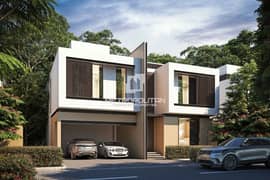
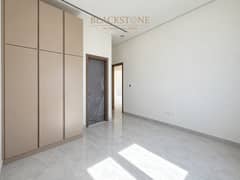
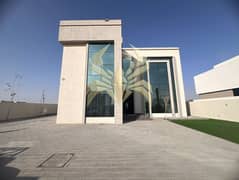
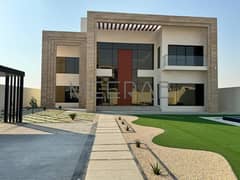
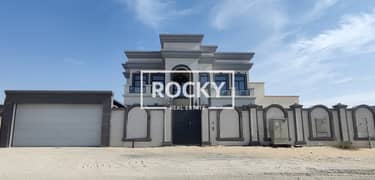
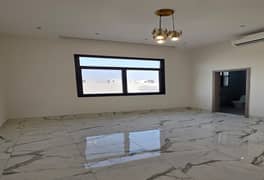
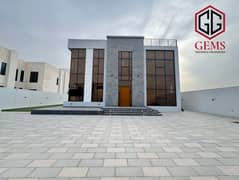
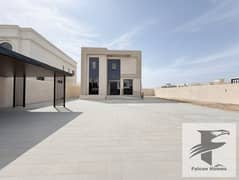
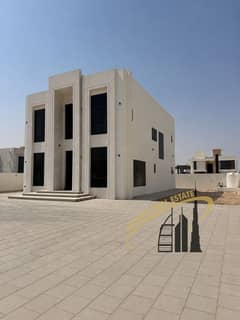
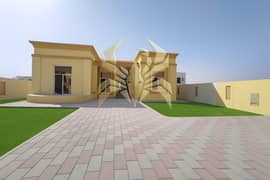
Dubailand features a number of villa communities. As per Bayut data, villas in the area offer an ROI of 3.21%.
Bed Type | Average Price (AED) |
|---|---|
Bed Type 4-Bed | Average Price (AED) 3,800,000 |
Bed Type 5-Bed | Average Price (AED) 12,980,000 |
Bed Type 6-Bed | Average Price (AED) 26,260,000 |
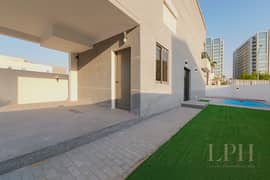
Rental options are also available in the area.
Bed Type | Average Rent (AED) |
|---|---|
Bed Type 3-Bed | Average Rent (AED) 245,000 |
Bed Type 4-Bed | Average Rent (AED) 289,000 |
Bed Type 5-Bed | Average Rent (AED) 335,000 |
Bed Type 6-Bed | Average Rent (AED) 371,000 |

CONS OF LIVING IN DUBAILAND
A few drawbacks need to be considered before moving to this neighbourhood.
Ongoing Construction in Some Areas
Some parts of Dubailand are well established, while others are still being developed. Ongoing construction in these areas can result in noise, dust and occasional traffic disruptions.
Limited Public Transportation
Public transport coverage varies considerably across Dubailand, with RTA bus services operating in parts of the area. For example, Route 30 serves the Skycourts/Dubai Land Residence Complex (DLRC) area and connects it with Dubai Mall Metro Station, while Routes 66 and 67 operate along Al Ain Road and Al Barari. However, communities such as Villanova and Living Legends may have fewer nearby public transport options, requiring residents to travel farther to reach a bus stop or metro station.
Dubailand does not currently have direct metro connectivity. Residents relying on public transport may need to combine bus services with the Metro to reach central areas.
Distance from Central Dubai
Some Dubailand communities are located farther from Dubai’s central business districts and major attractions. Residents who regularly commute to areas such as Downtown Dubai, Business Bay or Dubai International Financial Centre (DIFC) may experience longer commutes, particularly during peak hours.
Dubailand offers a mix of residential communities, everyday amenities and leisure attractions, with a range of property options across the area. While ongoing development, public transport coverage and travel times to some parts of the city may be considerations, access to major roads and varied community settings are among the area’s advantages. Considering the pros and cons of living in Dubailand can help you decide whether Dubailand meets your requirements.
To learn more about the top residential neighbourhoods in Dubai, keep following MyBayut – the region’s biggest property blog.
Disclaimer: This article uses property listing prices advertised on Bayut.com by real estate agencies on behalf of their clients. Figures represent advertised prices only and do not reflect actual transaction prices unless stated. Reported metrics use a trimmed mean to provide a more robust market summary.
Recommended Posts