What is a Building Completion Certificate?
Completing a construction project involves more than just finishing the physical structure. It also requires obtaining necessary approvals to ensure the property meets safety standards, building regulations and approved plans. A building completion certificate in the UAE is one of the most important documents issued after construction or major renovation, confirming that a property has been completed in accordance with the required regulations. Whether you are a property owner, developer or buyer, understanding what this certificate represents, why it is required and how the approval process works can help ensure a smoother handover, occupancy and property transaction process.
Building Completion Certificate in the UAE
A building completion certificate is a key legal document required for newly constructed or renovated properties in the UAE. Issued by relevant authorities, it confirms that construction has been completed in line with approved plans, building codes and safety requirements. Without the required completion approvals, owners may face restrictions when occupying, transferring ownership or completing utility-related procedures. The exact requirements, application process and issuing authority may vary from one emirate to another.
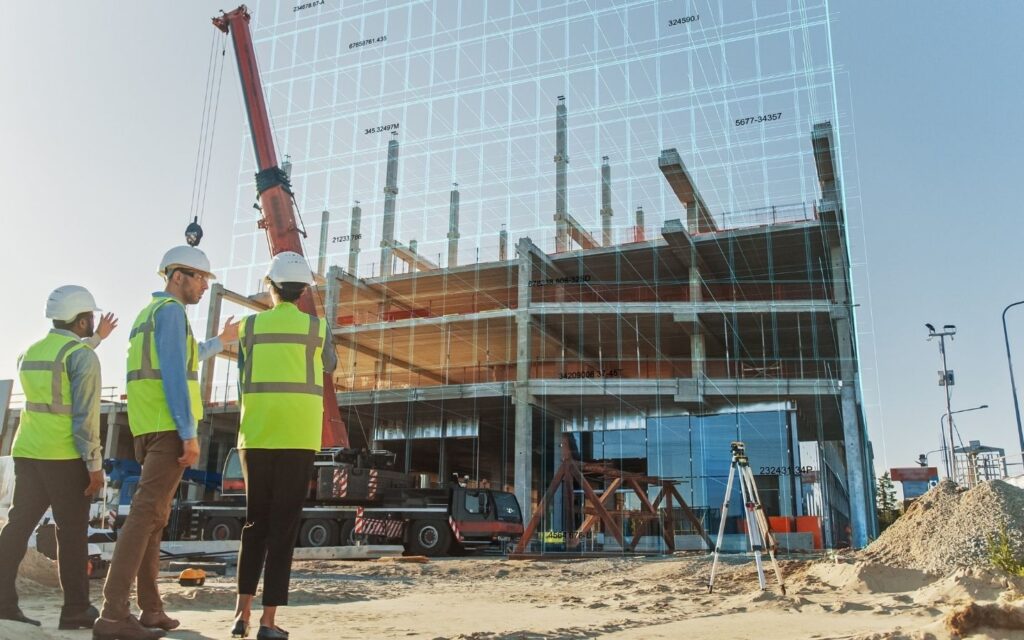
The certificate confirms that the completed property complies with approved plans and building regulations. This includes structural elements, plumbing systems and electrical installations.
Depending on the emirate and type of property, the certificate may also be required before certain post-construction procedures can be completed. This includes occupancy approvals, utility connections or other property-related requirements.
Alessia Sheglova, CEO of Dacha Real Estate, gives her expert opinion on the importance of a building completion certificate:

“A building completion certificate is a key milestone for buyers because it confirms that the development has been completed in line with the approved plans and relevant authority requirements. For off-plan buyers, it becomes particularly important as the project approaches handover. It gives buyers greater confidence that the building is legally ready for occupation, but it should still be considered alongside snagging, handover documentation and the individual property’s condition before taking possession.“
Who Issues the Certificate?
A building completion certificate is generally issued by the relevant emirate’s municipal authority, development authority or an authorised inspection body.
The certificate can be requested on the websites of the following authorities in each emirate:
- Dubai: Dubai Municipality for mainland properties or the Dubai Development Authority (DDA) for specific free zones or development areas.
- Abu Dhabi: Abu Dhabi City Municipality, often processed digitally via the TAMM platform.
- Sharjah: Sharjah City Municipality portal
- Ras Al Khaimah: RAK Municipality, via the RAK digital platform
- Ajman: The Department of Municipality and Planning in Ajman
- Fujairah: Fujairah Municipality
- Umm Al Quwain: Umm Al Quwain Municipality
As part of the certification process, project managers, architects or supervising inspectors may inspect the completed construction to confirm compliance with approved plans and applicable regulations.


Building Completion Certificate Requirements
There is no single checklist for acquiring a building completion certificate that applies to every project across the UAE. Depending on the municipality, type of development and property, the requirements may include:
- A valid building permit
- Completion of the authorised construction
- Utility-related approvals where applicable
- Final inspection reports
- Structural and safety compliance reports
- Contractor documents
- Clearances or No Objection Certificates (NOC) required for specific projects
After the required documents have been submitted to the relevant municipal authority, including approved plans, permits and compliance reports:
- The authority conducts a final inspection to confirm that the building meets the applicable structural, fire safety and regulatory requirements.
- If the requirements are fulfilled, the completion certificate is issued.
Applicants must also meet any application submission deadlines set by the relevant authority.

What is included in a building completion certificate?
A building completion certificate usually includes:
- Property and location details
- Regulatory compliance
- Builder and consultant information
- Infrastructure and utility approvals
- Statement confirming the property’s readiness
Cost
Here are the fees associated with applying for and issuing a building completion certificate in each emirate:
- Dubai: AED 120 (Inspection Request) | AED 125 (Final Survey Issuance if required)
- Abu Dhabi: No associated costs
- Sharjah: AED 400 per floor for residential homes | For commercial properties, 2% of total building fee per building permit for at least AED 1,000
- Ajman: Applicable fees vary by building type; check the current fee on the Ajman Digital Portal
- Ras Al Khaimah: AED 100 application fee per building + AED 100 or AED 300 site inspection fee, depending on building type
- Fujairah: AED 50 (Residential) | AED 200 (Commercial)
- Umm Al Quwain: Contact the Umm Al Quwain Municipality to enquire about the applicable fee
FAQs
How do you get a building completion certificate in Dubai?
In Dubai, the contractor typically submits the building completion certificate application to Dubai Municipality once construction is complete and final approvals are in place.
How long does it take to get the certificate in Dubai?
Applications can be submitted online through the Dubai Building Permit System (BPS) on the official website of the Dubai Municipality. Processing time should be confirmed with Dubai Municipality, which includes the physical site inspection.
What is the difference between a building completion certificate and Occupancy Certificate (OC)?
A building completion certificate confirms that the completed structure complies with approved plans, permits and applicable building requirements. An Occupancy Certificate generally confirms that a building is suitable for occupation, subject to the requirements of the relevant authority. While some real estate markets issue both certificates separately, Dubai and Abu Dhabi have simplified the process, with a building completion certificate serving as a final clearance for occupancy and other requirements.
Whether you are a property owner, developer or buyer, understanding how a building completion certificate works can ensure a smoother construction and handover. Since the process differs across the UAE, it’s important to confirm with the relevant authority for the latest requirements and approvals.
Recommended Posts