Apartment fire safety tips: Prevention, responsibility & more
Living in an apartment comes with many benefits, from convenient locations to shared amenities and enhanced security. However, renting an apartment also comes with fire safety challenges, as flames and smoke can spread quickly through shared walls, hallways and ventilation systems. That’s why following apartment fire safety tips is essential for protecting yourself, your family and your neighbours.
Understanding the responsibilities of both landlords and tenants, taking simple fire prevention measures and knowing how to respond during an emergency can significantly reduce the risk of injuries and property damage.
KNOW THE LANDLORD’S RESPONSIBILITY
- Landlords are responsible for making the apartment habitable and free of hazards.
- Landlords must make sure that buildings comply with all building codes and that heating and cooling facilities are in safe, working order.
- Landlords must repair any malfunctioning structural components, such as plumbing systems and electrical systems. Landlords also have to respond promptly to maintenance requests.
- Landlords must conduct regular fire safety checks.
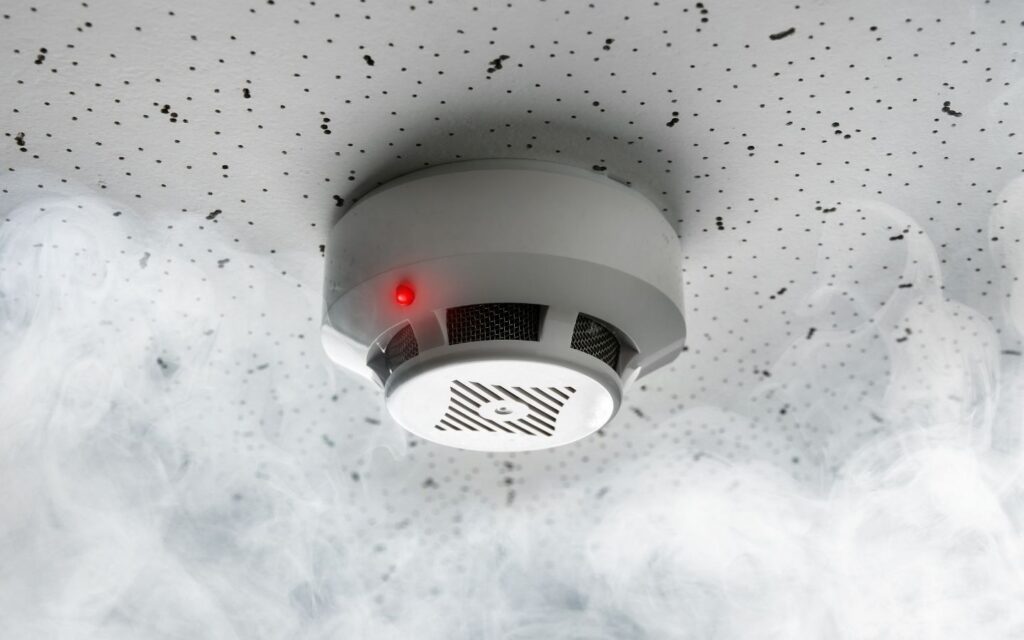
- Smoke detectors, fire alarms and other fire safety systems should be installed, tested and maintained where required by local regulations.
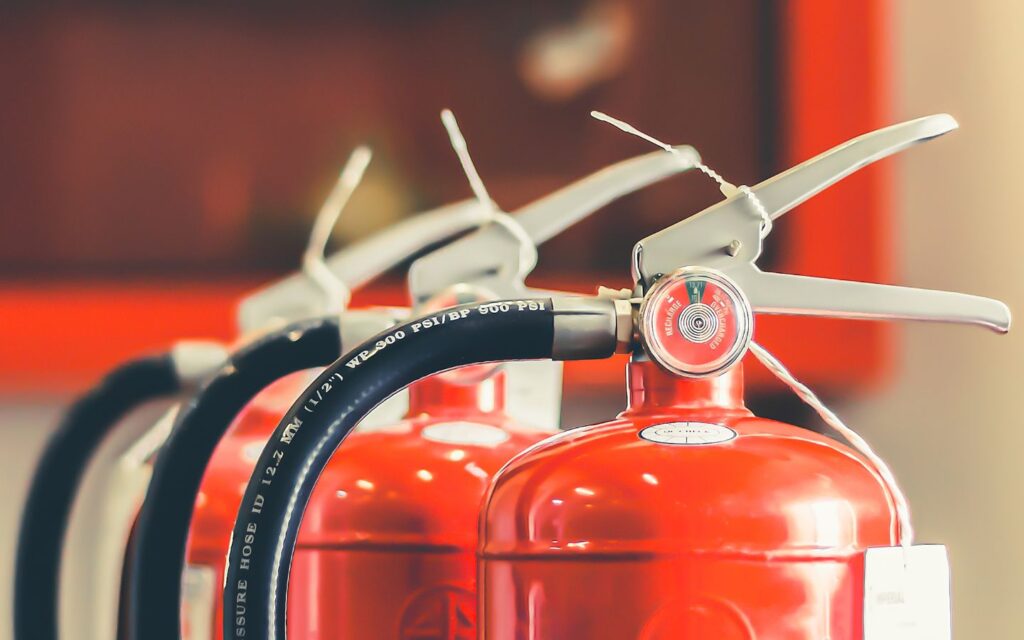
- Fire extinguishers, emergency lighting and sprinkler systems (where applicable) should be inspected and kept in working order.
- Fire exits, stairwells and evacuation routes must remain clearly marked, accessible and free from obstructions.
- Landlords should conduct regular fire safety inspections and address any identified risks without delay.
- Residents should be informed about emergency exits, evacuation procedures and any fire safety rules for the building.
TENANT’S RESPONSIBILITY FOR FORE PREVENTION
- Renters must act responsibly inside the apartment and try not to create unsafe living conditions. This includes caution while cooking in the kitchen, careful use of electrical appliances and mindful use of open flame candles.
- Renters are responsible for reporting any potential fire hazards to the landlord so that the landlord can take the appropriate action to resolve it.

- Renters should check smoke alarms and carbon monoxide detectors inside the apartment to ensure they are not expired. Renters should report expired alarms and detectors to the landlord and have them replaced.
- A fireplace and chimney inside an apartment need to be maintained regularly. Renters should ensure that landlords comply with a regular maintenance schedule.
- Renters must allow landlords access to the apartment to fix issues.
FIRE PREVENTION TIPS
- Never position space heaters near flammable materials such as curtains, furniture or rugs. Always use the correct electrical outlet for a space heater and maintain a three-foot distance from it.
- Never store propane, kerosene or other flammable materials inside your apartment.
- Do not run cords under rugs. Do not overload circuits with too many plugs and never use cords that are damaged, frayed, or cracked.
- Never leave food cooking on the stove unattended. Keep the stove top and oven free of grease and oil. If a grease fire starts, never pour water on it. Cover the pan, turn off the heat, and leave it on the stove until it cools.
- Remove and clean the lint filter in the dryer regularly.
- Never leave candles burning unattended. Do not light candles if there is an oxygen container being used in the room. Position candles at least one foot away from anything combustible and always keep candles out of reach of children and pets.
- Ideally, don’t smoke cigarettes inside your apartment. If you must smoke inside, never smoke in bed. Always ensure that smoking materials are completely extinguished and safely disposed.
- Keep matches and lighters away from children.
- Keep a fire extinguisher in your apartment to manage small fires.
- Keep space heaters at least three feet away from curtains, rugs, furniture and other flammable items. Always plug them directly into a wall socket, not an extension cord.
- Avoid charging e-bikes, e-scooters or smartphones overnight or near apartment exits. Always use the original charger provided by the manufacturer.
HAVE AN ESCAPE PLAN
- Pull the fire alarm in the hallway in the event of a fire – this is not just for you but for the apartment fire safety of others living in the building.
- Check whether the building has an evacuation plan. If an evacuation plan doesn’t exist, create one for the apartment building and share it.
- Locate the fire exit door nearest to your apartment, and then look around to find all of the exit doors. Don’t assume you’ll be able to use the closest exit door.
- Count the doors between your apartment and the nearest fire exit so you can find your way out if the hallway is filled with smoke and you can’t see.
- Always feel doors before you open them. Never open a warm door or prop open stairway and exit doors in the event of an emergency. If you can’t exit, place blankets or rugs under the door crack to keep smoke out.
- Apartment-dwellers living on upper floors might want to invest in an escape ladder that hangs out a window to reach the ground without having to exit through the hallway and stairs.

- Never block fire escape windows with furniture and ensure that you can easily open windows from inside.
- Never use the lift during a fire. Always use the stairs to evacuate safely.
- If you encounter smoke, stay low to the ground, where the air is cleaner and easier to breathe.
- Leave immediately without stopping to collect valuables. If they are within easy reach, take your phone, keys and any essential medication.
- If you cannot leave your apartment, keep the door closed and block gaps underneath it with wet towels or blankets to help keep smoke out. Call the emergency services and tell them your apartment number and location.
- Practice a fire escape plan with your family at least twice a year so everyone knows what to do during an emergency.
AFTER ESCAPING FIRE
- Once you have evacuated the building in the event of a fire, never go back inside for any reason.
- Call 997 from outside the building after you’ve evacuated.
- Alert firefighters if other tenants are still in the building.
- Don’t return to your apartment until firefighters say that it’s safe to return.

FAQS ON APARTMENT FIRE SAFETY TIPS
What items should every apartment have for fire safety?
Every apartment should have working smoke alarms, a fire extinguisher, a first-aid kit and an emergency escape plan for all occupants.
How often should smoke alarms be tested?
Test smoke alarms at least once a month and replace the batteries or the entire unit according to the manufacturer’s instructions.
What should I do if smoke blocks my exit?
Stay inside your apartment if it is safer, close the door, block gaps with wet towels, call the emergency services and signal for help from a window if needed.


Where should a fire extinguisher be kept in an apartment?
Keep a fire extinguisher in an easily accessible location, preferably in or near the kitchen, but not so close that you cannot reach it safely during a fire.
How can I reduce the risk of electrical fires at home?
Avoid overloading power outlets, replace damaged cords, unplug appliances when not in use and have faulty wiring repaired by a qualified electrician.
Therefore, if you’re planning on renting or even owning an apartment in the region, the considerations above apply. Whether you’re looking for an apartment in Dubai or anywhere else in the UAE, no exceptions for fire safety considerations.
Planning accordingly in advance can be the make-or-break difference between the outcomes in the event of a fire. The implications being that, despite the tediousness of preventative measures, the alternative could be catastrophic.
For more useful tips and insights for life in the UAE, stay tuned to MyBayut.
Recommended Posts